Why overseas buyers should start with process, not model names
Many buyers search for a furnace by model name too early. A better starting point is the process result: sintering density, oxide-free annealing, controlled atmosphere, hot pressing pressure, thin film deposition or continuous throughput.
The six inputs engineers need before recommending a furnace
The most useful RFQ includes material, target working temperature, chamber size or batch weight, vacuum level or gas atmosphere, heating rate and cooling method, loading style and destination country.
How to compare furnace families
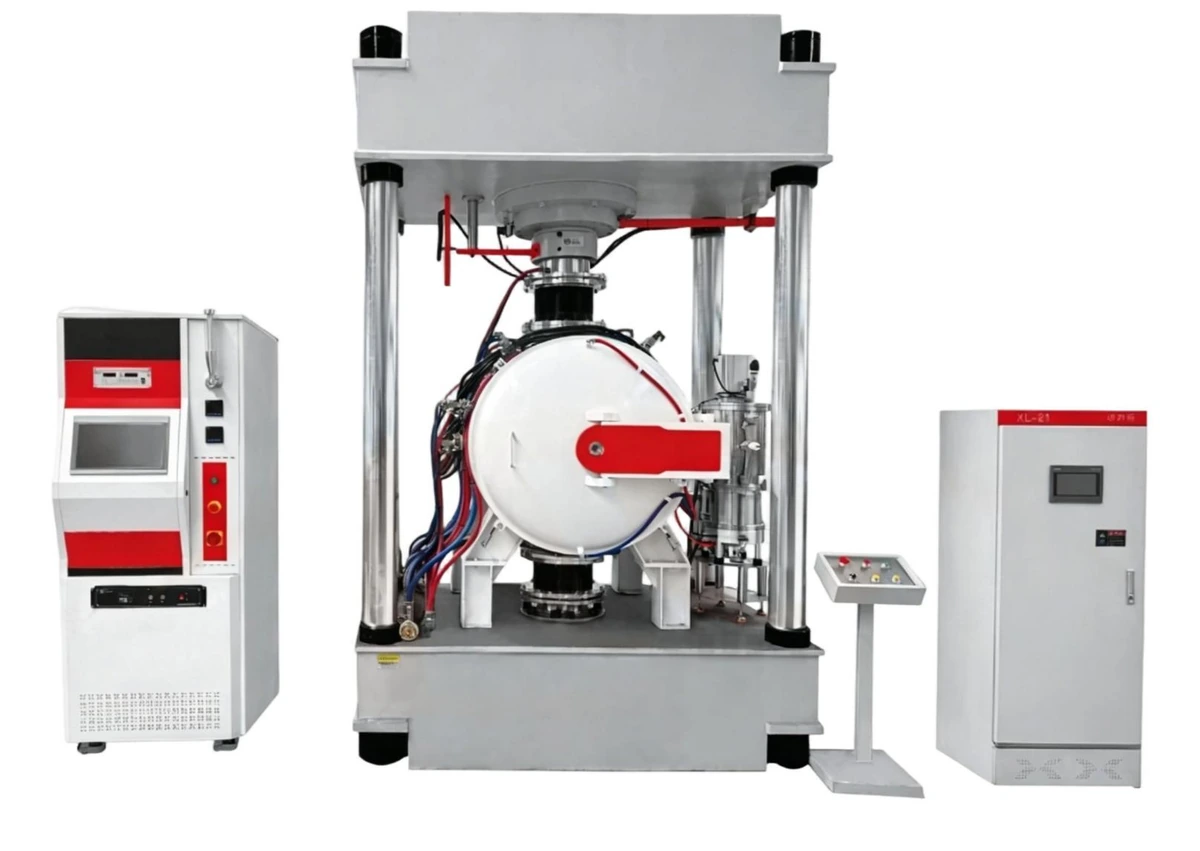
Vacuum sintering furnaces are usually selected for powder metallurgy, ceramics and high-value components. Vacuum hot press furnaces add pressure for densification. CVD and PECVD tube furnaces are used for film and coating processes.
What a serious supplier should clarify
A serious furnace supplier should ask about contamination risk, oxygen sensitivity, cooling requirement, batch loading, utilities, installation space, spare parts and expected production schedule.
Recommended next step
Prepare a short process brief and send it through the RFQ form. Shanghai Dingzhi can then shortlist the furnace family, key configuration and budget direction before detailed engineering drawings are discussed.
Need a furnace recommendation?
Send material, process, target temperature, chamber size, atmosphere and destination country. The engineering team can recommend a practical furnace family and configuration path.
Submit technical RFQ