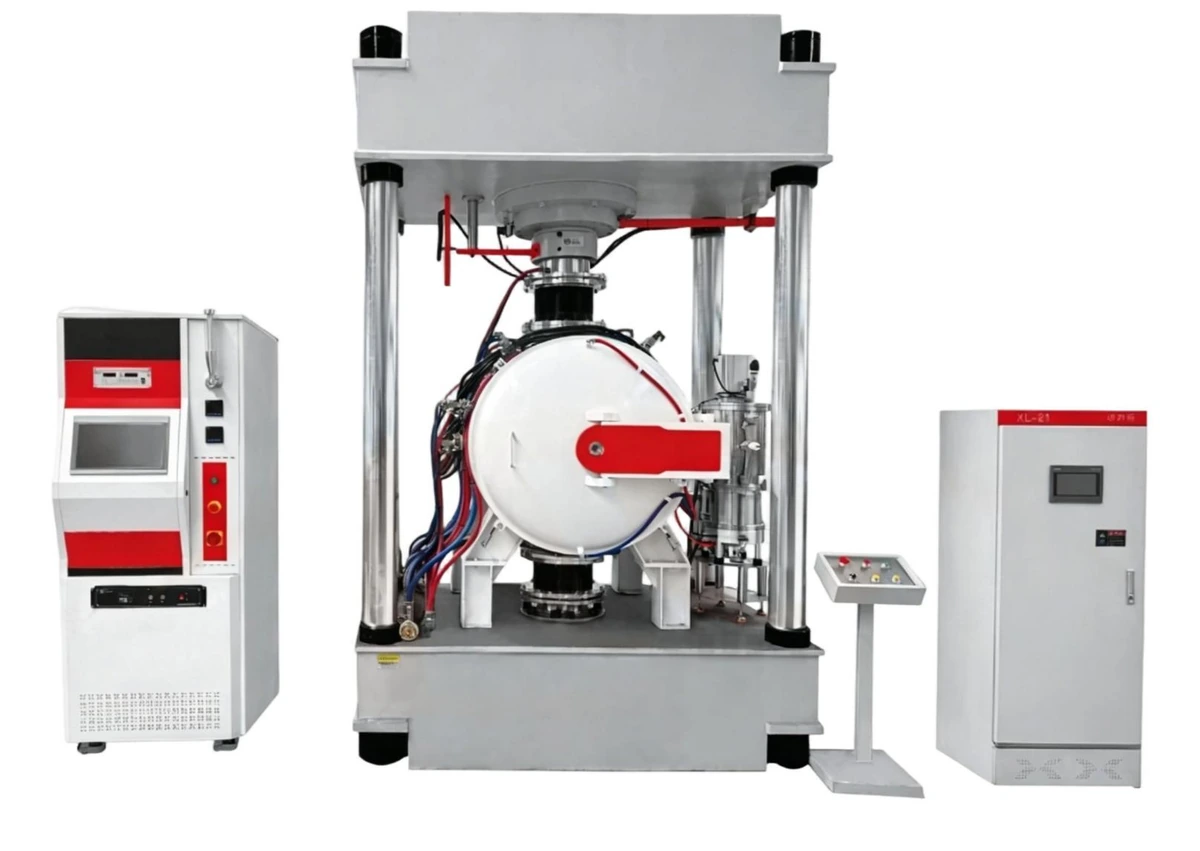
Why hot pressing is different from normal sintering
Hot pressing combines heat and pressure to improve material densification. This is important for advanced ceramics, solid electrolyte materials, hard alloys and composite materials where high density is required.
Pressure and die size come first
Before choosing a hot press furnace, buyers should define pressure range, sample diameter, die size, material thickness and whether the project is laboratory research or production.
Hot-zone and atmosphere choices
Molybdenum, graphite or resistance heating choices depend on temperature, atmosphere and contamination sensitivity. Vacuum, inert gas and protective atmosphere options should be discussed early.
What to include in the RFQ
Include target temperature, pressure, die size, sample material, batch quantity, vacuum level, gas atmosphere, cooling method and destination voltage.
Commercial note
For high-value ceramic projects, the cheapest price is rarely the best first filter. Technical fit, pressure stability, temperature uniformity and after-sales support are more important.
Need a furnace recommendation?
Send material, process, target temperature, chamber size, atmosphere and destination country. The engineering team can recommend a practical furnace family and configuration path.
Submit technical RFQ